
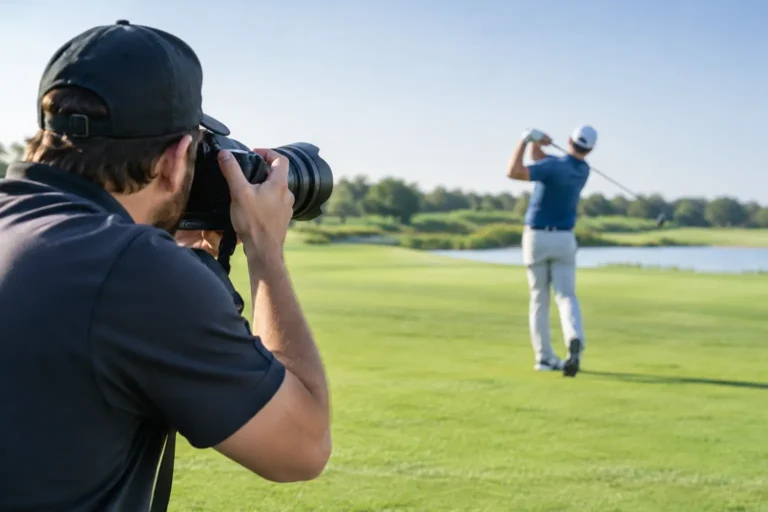
The first tee shot is not the only moment worth documenting. A corporate golf tournament is often one of the few occasions when clients, employees, leadership, sponsors, and prospects spend unhurried time together. The right corporate golf tournament photographer turns that investment into organized visual assets that support sponsor recognition, internal communications, recruiting, social media, and next year’s event promotion.
For the internal organizer, photography should not become another moving part to manage. The photographer needs to understand the event schedule, work professionally around guests, recognize the people and brand moments that matter, and deliver files in a way the marketing or communications team can actually use.
What a Corporate Golf Tournament Photographer Delivers
Strong golf tournament coverage is more than a collection of golfers swinging clubs. It tells the business story of the day: who attended, which organizations supported the event, how teams connected, and where the event’s energy was most visible.
A useful gallery typically includes registration and welcome moments, team photos, candid networking, on-course action, sponsor signage, branded details, contests, food and beverage service, awards, and group celebrations. The balance matters. Too much action photography can make the event feel anonymous. Too many posed groups can make the gallery feel stiff. A well-planned approach provides both polished record keeping and natural evidence of a successful event.
Sponsor visibility deserves particular attention. A tournament may include logo walls, tee box sponsors, branded carts, contest signage, gift bags, or award presentations. Those elements should be photographed intentionally, with clean compositions and enough context to show that people engaged with the brand. A close-up of a sign has limited value. A sponsor’s identity visible within an active, well-attended event has a much longer useful life.
The final images also need to reflect the host organization’s standards. Images used in a leadership update or client-facing recap should feel composed, flattering, and consistent, even when the event itself is casual. That is where experienced corporate event photography differs from simply documenting the day as it happens.
Planning Before the First Foursome Arrives
The quality of tournament photography is usually decided before anyone reaches the course. A brief planning conversation can prevent missed sponsor commitments, incomplete group coverage, and last-minute confusion at registration.
Start with the event’s primary purpose. A charity tournament may prioritize mission-related moments, donor recognition, and awards. A client appreciation outing may need more networking and hospitality coverage. An internal company event may focus on culture, employee participation, and leadership visibility. These priorities affect where the photographer spends time and what receives the most coverage.
The event schedule should identify registration, breakfast or lunch, announcements, the shotgun start or tee times, sponsored activations, on-course contests, reception, dinner, and awards. It is also helpful to name the people who must be photographed, such as executive hosts, board members, presenting sponsors, tournament chairs, or visiting clients. Without that information, important attendees can easily be missed while the photographer is covering action elsewhere on the course.
A single point of contact is equally valuable. This person does not need to escort the photographer all day, but they should be available for quick direction when the schedule changes or a key guest arrives. Golf events are fluid. Weather delays, slow play, and shifted award times are normal. Clear communication keeps coverage aligned with the event rather than tied too rigidly to a printed itinerary.
Golf-Course Conditions Require a Different Approach
Corporate events held on a golf course present practical challenges that are easy to underestimate. Participants are spread across a large property, the light changes throughout the day, and key moments can happen far apart at the same time. A photographer needs a realistic coverage plan rather than an expectation of being everywhere at once.
Timing matters. Early registration often offers the best opportunity for polished arrivals, sponsor displays, and team portraits before guests disperse. Once play begins, a photographer may move between selected holes, contests, and hospitality areas to capture variety without disrupting golfers or pace of play. The finish and awards reception then provide the strongest opportunity for broad candid coverage, sponsor recognition, and formal presentations.
Lighting is another consideration. Bright Texas sun can create harsh shadows, squinting, and uneven color. Professional event coverage accounts for changing conditions through camera technique, positioning, and selective use of supplemental lighting when appropriate. The goal is not to make the course look artificial. It is to create clean, usable images while preserving the atmosphere of the day.
Weather also affects expectations. Rain plans, covered reception areas, and shortened schedules should be discussed in advance. A dependable photographer can adjust, but organizers should know which moments remain essential if the original plan changes.
The Difference Between Event Photos and Business Assets
A tournament gallery has the greatest value when images are easy to find, easy to share, and appropriate for multiple audiences. This is where delivery standards matter as much as photography itself.
Marketing teams may need wide images for a website recap, vertical images for social channels, and close details for sponsor thank-yous. Communications teams may need award photos for an internal announcement. Event organizers may want team photos for participants, while leadership may need a small selection of polished highlights for an executive presentation. The same event can serve all of these uses when the coverage is intentional.
Organized delivery reduces the work after the event. A professionally managed gallery should make it straightforward to review images, identify favorites, and distribute approved selections. Consistent editing is also essential. A gallery with dramatically different color, exposure, or cropping from image to image can make even a well-run event appear less polished.
For organizations that regularly invest in employee imagery, it can be useful to align event coverage with the visual standards used for headshots, leadership portraits, and brand photography. The images do not need to look identical, but they should feel like they represent the same company. HeadshotTour.com approaches corporate photography with this broader brand consistency and operational coordination in mind.
Questions to Ask Before Hiring
The best photographer for a personal golf outing is not always the best fit for a corporate tournament. The selection process should focus on experience, communication, and deliverables as much as portfolio style.
Ask how the photographer plans coverage across a large course and whether they have experience working around tournament timing and guest flow. Confirm what is included in the final delivery, how quickly images will be available, and whether a small set of priority images can be provided promptly for immediate sponsor or social media use. If sponsor recognition is a major part of the event, explain that upfront rather than assuming it will be captured automatically.
It is also reasonable to discuss guest experience. Corporate attendees should not feel chased by a camera all day. The photographer should be approachable when a group wants a photo, while remaining observant enough to capture candid interaction without interrupting it. That combination is especially important when clients and senior leaders are present.
Finally, clarify permissions and expectations for sharing. Some organizations want broad social coverage. Others prefer a more selective approach, particularly when client relationships, donor participation, or executive attendance are involved. A clear policy before the event protects everyone and helps the photographer make sound decisions on site.
Make the Gallery Work After the Tournament
The event should continue producing value after the last award is handed out. A few well-chosen images can support a sponsor thank-you, an employee newsletter, a recruiting post, a charitable impact update, or an invitation for next year’s tournament. The strongest images often show people connecting, not merely posing beside a banner.
Before the event, decide who will receive the gallery and who has approval authority for public use. This small step prevents good images from sitting untouched because no one is certain which version is final or who should distribute it. It also allows the communications team to plan a timely recap while the event is still fresh in attendees’ minds.
A corporate golf tournament is a relationship-building investment with a limited window of activity. Thoughtful photography preserves the proof that the investment brought people together, represented sponsors well, and gave the organization something credible to share long after the course has cleared.